Art, Objects & Their Stories
Thoughtful appraisals. Grounded in experience.
A considered, research-led approach to fine and decorative art, antiques, and collectible objects.
Kim Foster brings decades of experience in the art and antiques field.
Areas of Expertise
Objects with history deserve careful attention.
Kim’s work brings together close examination, sound research, and an understanding of the market. Her experience spans a broad range of fine and decorative arts and collectible objects.
- Antique furniture
- Ceramics & porcelain
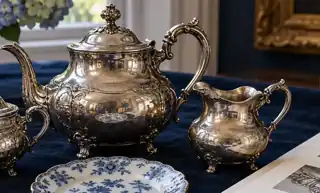
- Silver
- Glassware
- Maps
- Toys
- Fine & decorative arts
- Collectibles
Meet Kim Foster
Experience shaped by curiosity and care.
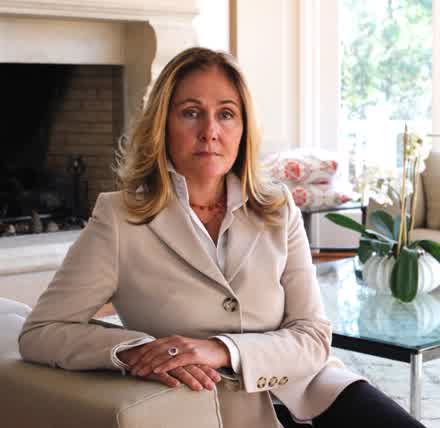
Kim Foster has spent decades working with fine art, antiques, and design. As Sales and Research Director at Nellie’s of Amagansett, she researches, authenticates, and values antique furniture, ceramics, silver, glassware, maps, and collectible toys — with careful condition assessment, professional photography, and detailed cataloguing.
Earlier she directed KMFS Fine Art + Design, consulted on art for private interiors with leading designers, and held assistant director roles at Alexander Gallery and Graham Arader Gallery in New York — cataloguing major collections, supporting rare maps and prints, and serving as an accounts liaison for Sotheby’s. She brings an art historian’s eye and a practical understanding of how objects move through the market.
Education
M.A., History of Design and Curatorial Studies
Parsons School of Design / Cooper Hewitt, Smithsonian Design Museum
Appraisal study
The Appraisal Association of America — Accredited Membership Core Courses, including USPAP (Uniform Standards of Professional Appraisal Practice).
Approach
A clear path from inquiry to report.
Every appraisal begins with listening — to the object, its history, and your purpose for the valuation. The process is measured, transparent, and grounded in research, and it culminates in a USPAP-compliant report that includes descriptions, photographs, methodology, and value conclusions.
Conversation
Share what you have and why you need an appraisal — insurance, estate, donation, sale, or another purpose.
Examination
Close looking at construction, materials, marks, condition, and provenance, on-site or from carefully prepared documentation.
Research
Comparable sales, scholarship, and market context appropriate to the object and the intended use of the appraisal.
Analysis
Value conclusions drawn from the evidence, with attention to condition, rarity, and how similar works trade today.
USPAP-compliant written report
You receive a USPAP-compliant report with item descriptions, photographs, methodology, and value conclusions — prepared for the intended use discussed at the outset.
The deliverable
A USPAP-compliant report you can rely on.
Each engagement concludes with a written appraisal prepared to USPAP — Uniform Standards of Professional Appraisal Practice — so attorneys, insurers, estates, and donors receive work that is clear, defensible, and fit for purpose.
- Descriptions — careful identification of each object, including materials, marks, and condition.
- Photographs — visual documentation that accompanies the written record.
- Methodology — how research, comparables, and standards informed the analysis.
- Value conclusions — the opinion of value appropriate to the stated intended use.
Contact
Discuss an appraisal.
(203) 550-4747 · kimfoster621@gmail.com
Tell Kim a little about the object or collection and your timeline. She will follow up by email to continue the conversation.